The Art of Originality:
Why Inspiration Needs More Than Access
Imitation is the sincerest form of flattery that mediocrity can pay to greatness.” -Oscar Wilde.
Humans always tend to take the easy path; when there is a choice, we tend to replicate rather than innovate. I am not advocating that everything needs to be innovated; for the things where there is no scope for much innovation, using existing products or technology is a wise decision. However, when discussing this recently, someone pointed out that even successful applications like Perplexity (similar to Google) use open-source libraries.

The argument placed was that it also lies in the category of copying. Why should we reward or praise or copy Perplexity, which does not stand on the original foundation? Although using open-source libraries, Perplexity has been tailored to perfection, which is Arvind Srinivas’ vision. The difference lies in how well you understand the gap you’re addressing and how you execute your vision to bring it into reality. To understand the need, planning the right product and smooth and timely execution is the mantra of Perpexility success.
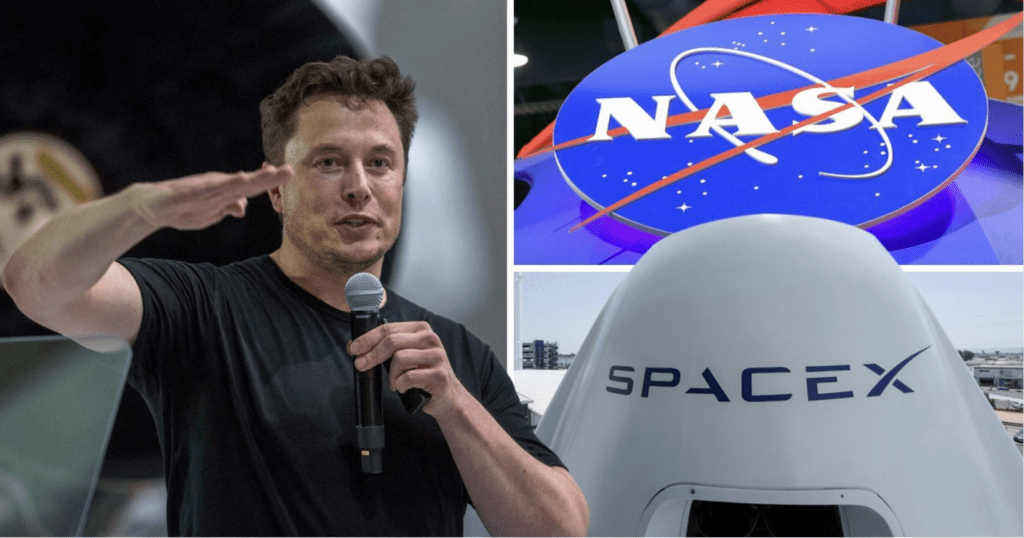
Access to the same resources is not an excuse—how do you turn the resources into a unique, valuable creation? We all have access to similar information worldwide, and there are so many geniuses, intelligent minds, and researchers, but what Elon Musk, Jensen Huang, and Sam Altman are doing is just out of the world. They have access to duplicate information, yet we can see the height of success, which NASA cannot do, he can do. The human brain will always act as supreme power until we put our hands down and become slaves of technology.
This principle of vision and execution is a powerful tool that can be applied to any business or technology, empowering us to realise that success is within our control. Using open-source libraries or any unfinished or raw product is similar to using a ready-made pizza base; it depends on the pizza maker what spices, toppings, and cooking methods he applies to create a delicious pizza.
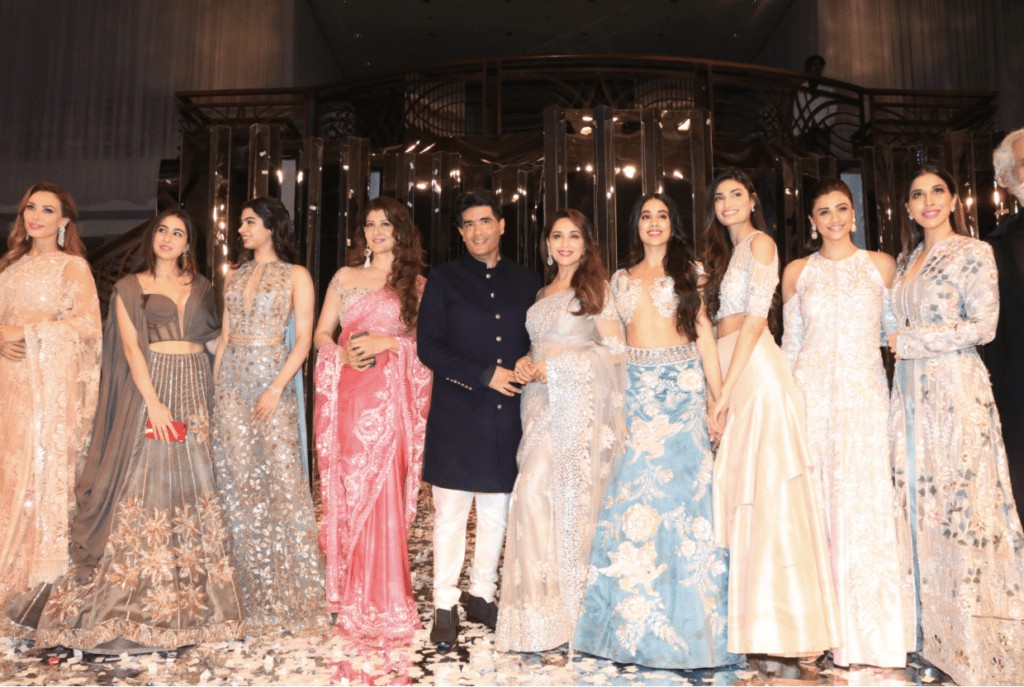
In arts and crafts, an appropriate example can be access to the same dress material/clothes—everyone can buy the same fabric and design. Still, not everyone can tailor it to something unique. You can copy a pattern, but the result won’t stand out unless you understand the fit, style, and what suits the occasion. You can see how Manish Malhotra turned simple georgette fabric into designer pieces in the 90s. We can all buy the same colour and quality; not everyone becomes Manish Malhotra.
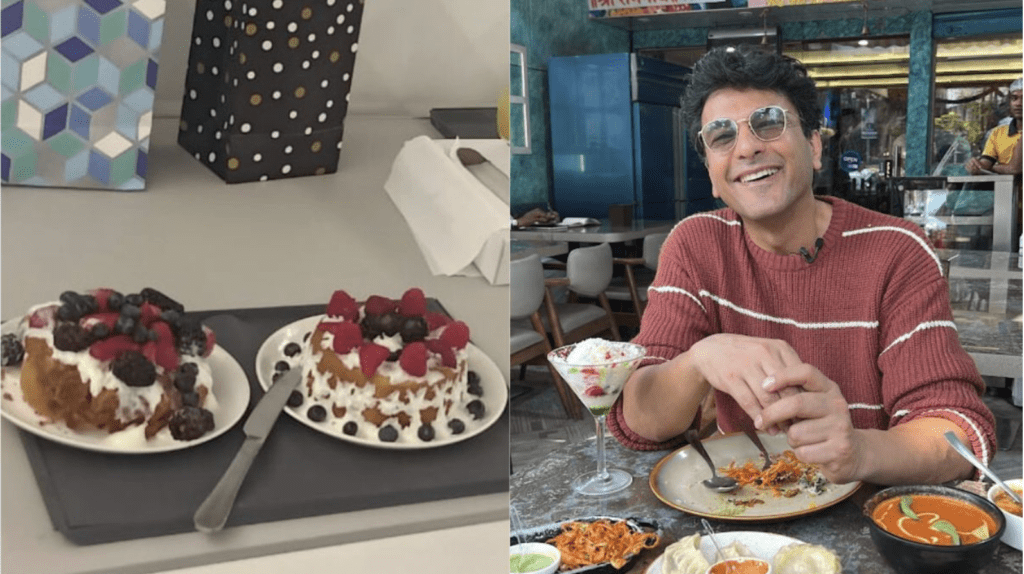
We can see Vikas Khanna Bunglow’s fame; he is not growing spices, grains, and millet; his culinary art has made him world famous. Thousands of restaurants might have access to high-quality food products and world-class chefs, but Vikas Khanna is unique in his style and dishes; he puts his heart into them. This is his passion and dedication, which cannot be measured in parameters. In this race, we lose uniqueness, and we lose.
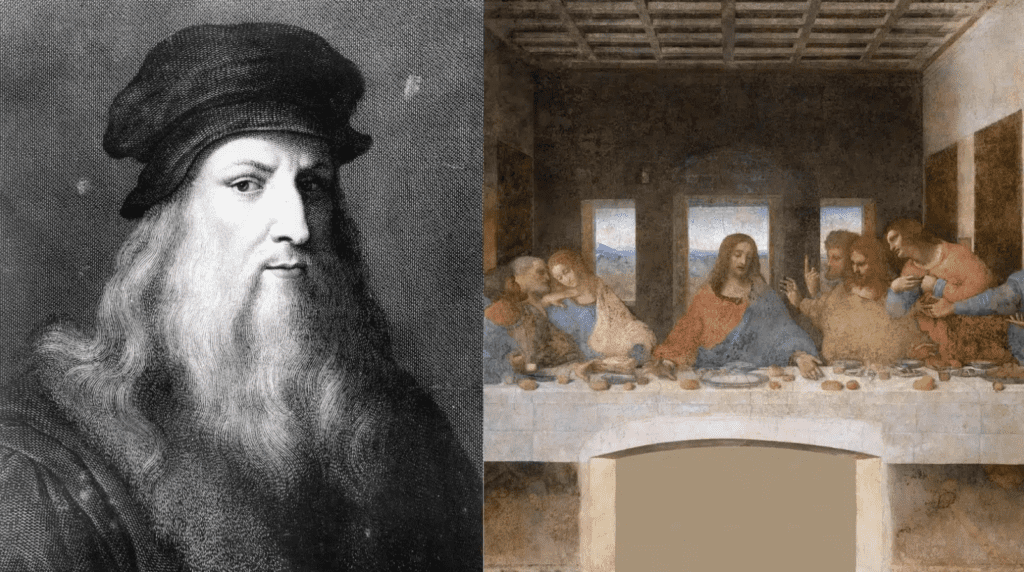
Think of two artists standing before the same view, accessing the same colours, canvas, and brushes. One might produce a masterpiece, while the other creates something ordinary. It’s not the tools that matter but the artist’s creativity, vision, and skill that make the difference. You can see millions of colours and varieties, but no one can be like Leonardo da Vinci. Human uniqueness will always be the epitome of intelligence and creation.
The same applies to coding and technology. Many developers may have access to Android open-source technology or similar resources, but only some create something groundbreaking. Success doesn’t come from having the tools—it comes from how you use them. The human creativity, the depth of understanding, and the ability to see beyond what’s in front of you lead to true innovation. Just as no AI can be told, ‘create art for me’ and achieve what a human mind can, no company will thrive just because they’re using open-source software. It’s the people behind it—their ideas, precision, and execution—that define the success.
I noticed something interesting in Turkey—markets filled with duplicate luxury brand products like Gucci, Burberry, and more. When I asked someone why they would buy a duplicate, they said, ‘It doesn’t look fake; it feels like owning something precious.’ But here’s the truth: no matter how close the imitation is, the original will always have a value, a quality, and a uniqueness that a copy can’t replicate. The same applies in life and work. Whether it’s coding or creating something innovative, you can try to mimic, but the genuine article always stands apart. It’s not just about appearance—it’s about the craftsmanship, the effort, and the essence behind the original. Ultimately, the real thing carries a weight that no duplicate can match.
This keeps the comparison simple while highlighting that authenticity—whether in fashion, art, or innovation—has a depth that imitation lacks, no matter how close the copy seems. It’s a reminder of the value of your unique contributions to your field.
- #artificialintelligence
- #artandai
- #passion
- #artandimitation